



Na+/H+ Exchanger (NHE)
Sodium/hydrogen Exchanger; Sodium-hydrogen Exchanger
Na+/H+ exchanger (sodium/hydrogen exchanger, NHE) family exchanges Na+ for H+ according to their concentration gradients, thus promotes the regulation of the stability of cytoplasmic pH and cell volume.
There are nine isoforms of NHE in humans, some NHEs function primarily on the plasma membrane, and others are present on intracellular organelles. NHE1 is expressed in the plasma membrane of virtually all tissues and plays an important role in cardiac health. NHE2 is expressed in the gastrointestinal (GI) tract and contributes to the maintenance of stomach pH and homeostasis, whereas NHE3 predominates in the GI tract and kidneys. NHE4 and NHE5 are abundant in the stomach and brain, respectively. NHE6-9 are expressed in the intracellular compartments of many organ system membranes, but of these NHE8 is the exception and expressed apically.
All Product Categories
-
Na+/H+ Exchanger (NHE) Related Products (54)
Related Products (54)

-
EIPA
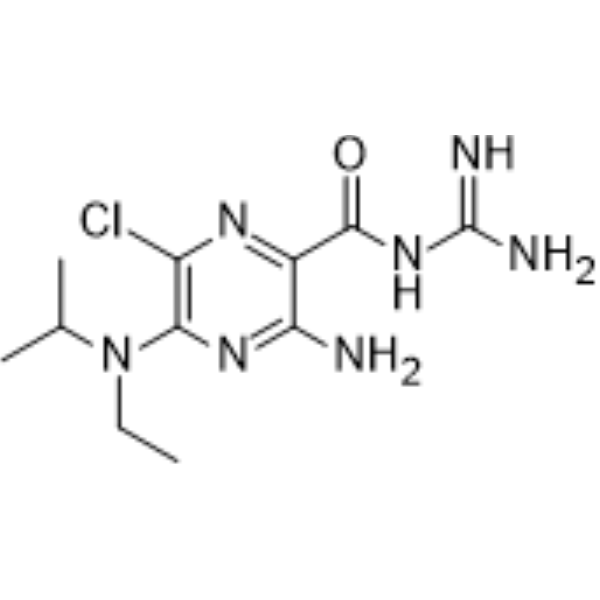 0 ImagesSynonyms: L593754; MH 12-43; EthylisopropylamilorideEIPA (L593754) is an orally active TRPP3 channel inhibitor with an IC50 of 10.5 μM. EIPA also enhances autophagy by inhibiting Na+/H+-exchanger 3 (NHE3). EIPA inhibits macropinocytosis as well. EIPA can be used in the research of inflammation and cancers, such as gastric cancer, colon carcinoma, pancreatic carcinoma.
-
Monensin sodium
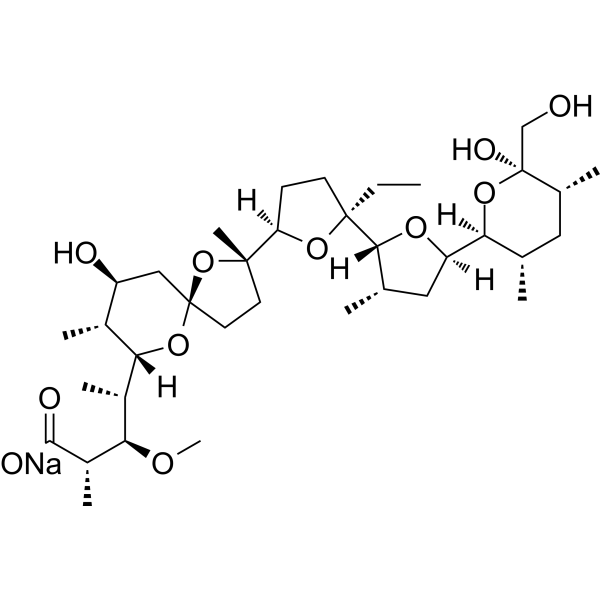 0 ImagesSynonyms: Monensin A sodiumMonensin (Monensin A) sodium, an orally active antibiotic, is an ionophore that mediates Na+/H+ exchange. Monensin sodium is a potent Wnt signaling inhibitor. Monensin sodium causes a marked enlargement of the multivesicular bodies (MVBs) and regulates exosome secretion. Monensin sodium can be used for bacterial, fungal, and parasitic infections research, and shows anticancer effects.
-
EIPA hydrochloride
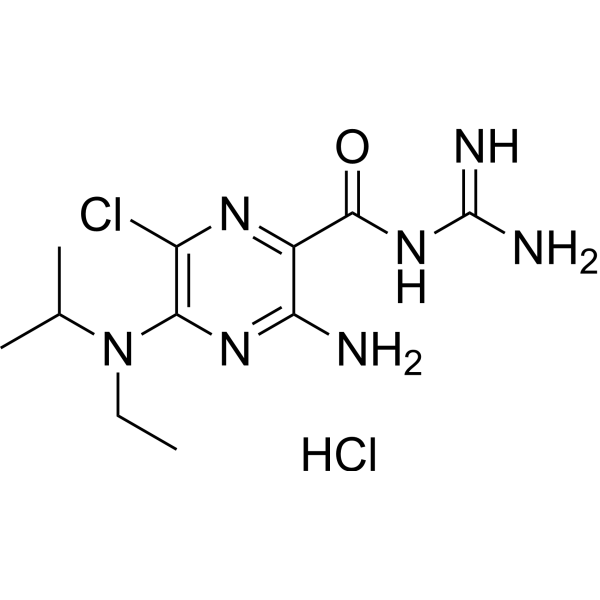 0 ImagesSynonyms: L593754 hydrochloride; MH 12-43 hydrochloride; Ethylisopropylamiloride hydrochlorideEIPA (L593754) hydrochloride is an orally active TRPP3 channel inhibitor with an IC50 of 10.5 μM. EIPA hydrochloride also enhances autophagy by inhibiting Na+/H+-exchanger 3 (NHE3). EIPA hydrochloride inhibits macropinocytosis as well. EIPA hydrochloride can be used in the research of inflammation and cancers, such as gastric cancer, colon carcinoma, pancreatic carcinoma.
-
Cariporide
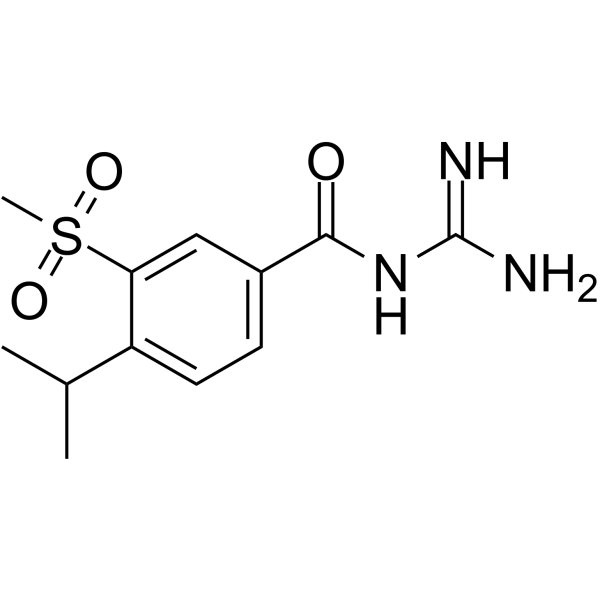 0 ImagesSynonyms: HOE-642 Free BaseCariporide (HOE-642) is a selective Na+/H+ exchange inhibitor.
-
Tenapanor
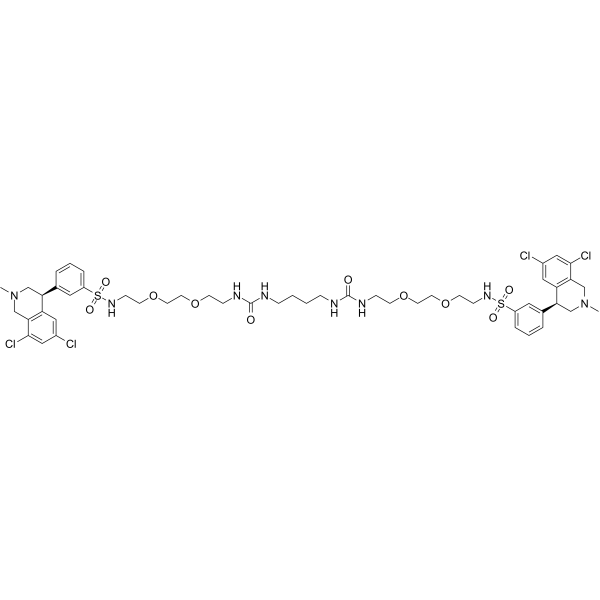 0 ImagesSynonyms: AZD1722; RDX5791Tenapanor (AZD1722) is a potent and orally active sodium/hydrogen exchanger isoform 3 (NHE3) inhibitor. Tenapanor reduces intestinal phosphate absorption predominantly through reduction of passive paracellular phosphate flux. Tenapanor has the potential for the research of hyperphosphatemia.
-
Monensin sodium (Standard)
 0 ImagesCat. No.: HY-N0150RCAS No.: 22373-78-0Synonyms: Monensin A sodium (Standard)Monensin (sodium) (Standard) is the analytical standard of Monensin (sodium). This product is intended for research and analytical applications. Monensin (Monensin A) sodium, an orally active antibiotic, is an ionophore that mediates Na+/H+ exchange. Monensin sodium is a potent Wnt signaling inhibitor. Monensin sodium causes a marked enlargement of the multivesicular bodies (MVBs) and regulates exosome secretion. Monensin sodium can be used for bacterial, fungal, and parasitic infections research, and shows anticancer effects.
-
Zoniporide hydrochloride hydrate
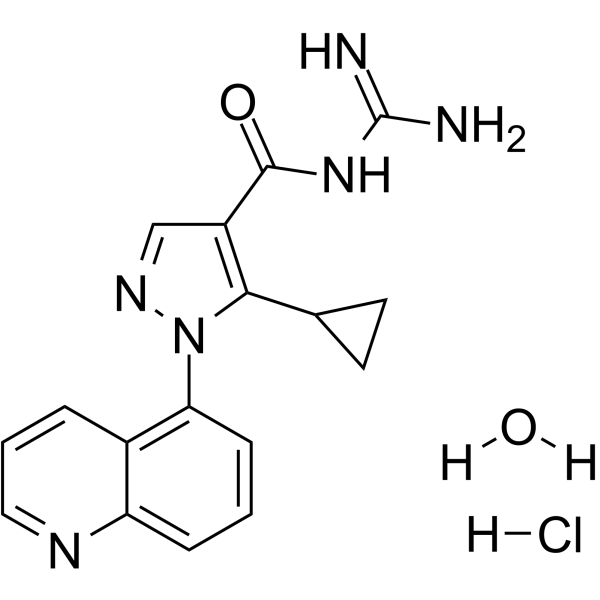 0 ImagesSynonyms: CP-597396 hydrochloride hydrateZoniporide hydrochloride hydrate (CP-597396 hydrochloride hydrate) is a selective Na+/H+ exchanger subtype 1 (NHE1) inhibitor with cardioprotective activity, with IC50 values of 67 nM and 73 nM against rat NHE1. Zoniporide hydrochloride hydrate reduces intracellular Na+ and Ca2+ overload, preserves mitochondrial integrity, activates pro-survival ERK1/2 and STAT3 signaling pathways, reduces necrosis and apoptosis, and decreases neutrophil aggregation. Zoniporide hydrochloride hydrate is applicable to research related to myocardial ischemia-reperfusion injury and heart graft ischemia-reperfusion injury.
-
Zoniporide
 0 ImagesSynonyms: CP-597396Zoniporide (CP-597396) is a selective Na+/H+ exchanger subtype 1 (NHE1) inhibitor with cardioprotective activity, with IC50 values of 67 nM and 73 nM against rat NHE1. Zoniporide reduces intracellular Na+ and Ca2+ overload, preserves mitochondrial integrity, activates pro-survival ERK1/2 and STAT3 signaling pathways, reduces necrosis and apoptosis, and decreases neutrophil aggregation. Zoniporide is applicable to research related to myocardial ischemia-reperfusion injury and heart graft ischemia-reperfusion injury.
-
Tenapanor hydrochloride
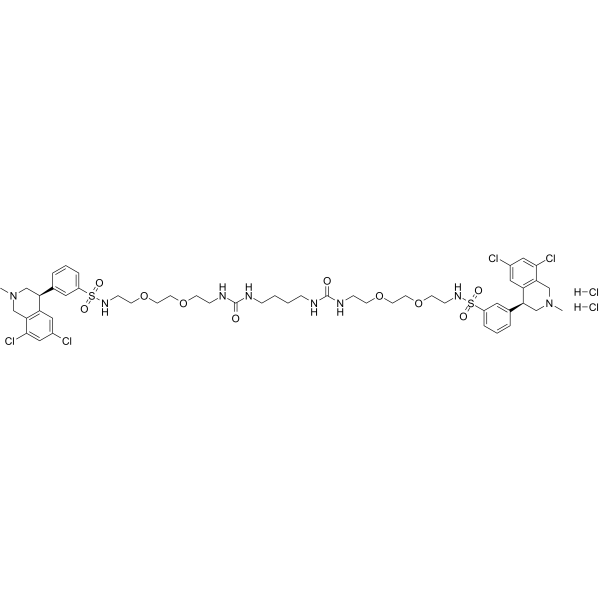 0 ImagesSynonyms: AZD1722 hydrochloride; RDX5791 hydrochlorideTenapanor (AZD1722) hydrochloride is a potent and orally active sodium/hydrogen exchanger isoform 3 (NHE3) inhibitor. Tenapanor hydrochloride reduces intestinal phosphate absorption predominantly through reduction of passive paracellular phosphate flux. Tenapanor hydrochloride has the potential for the research of hyperphosphatemia.
-
Rimeporide
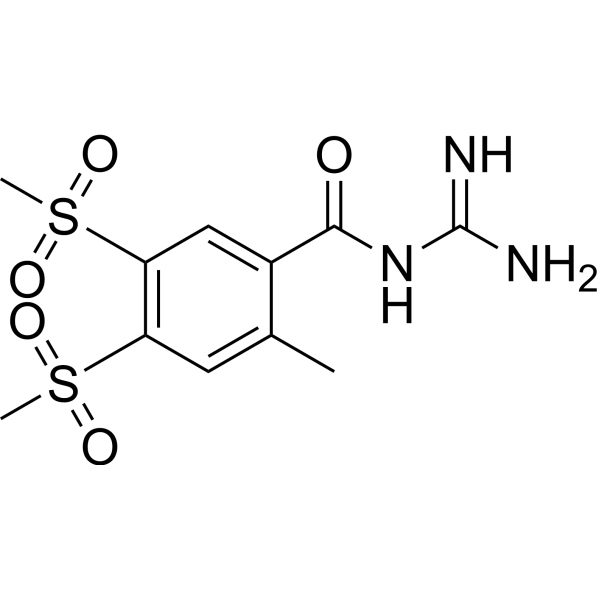 0 ImagesSynonyms: EMD-87580Rimeporide (EMD-87580) is a potent and selective inhibitor of the Na+/H+ exchanger (NHE-1).
-
BI-9627
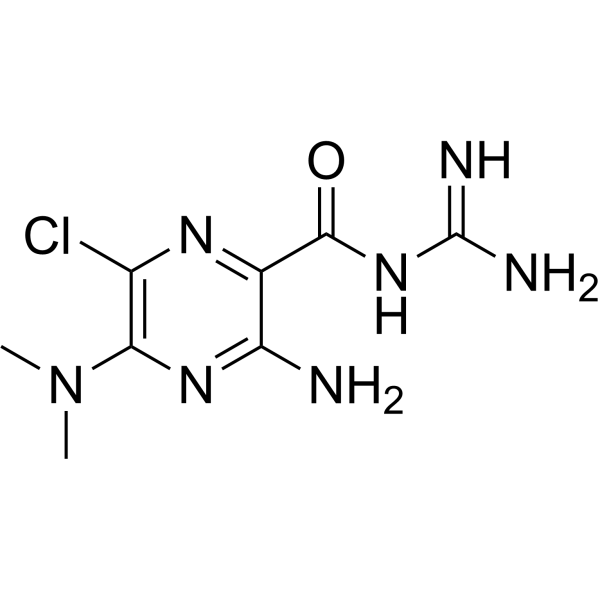
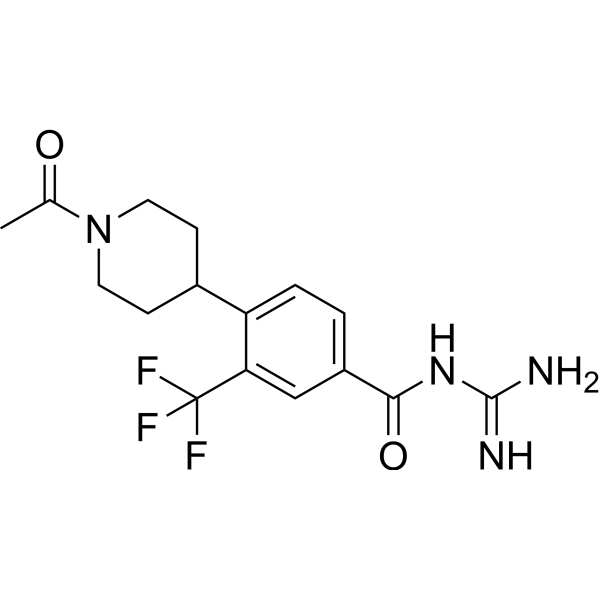 0 ImagesBI-9627, a chemical probe, is a potent sodium-hydrogen exchanger isoform 1 (NHE1) inhibitor (IC50 = 6 and 31 nM in intracellular pH recovery (pHi) and human platelet swelling assays). BI-9627 displays >30-fold selectivity against NHE2 and with no measurable inhibitory activity against the NHE3 isoform. BI-9627 decreases autophagy in HTR-8/SVneo cells. BI-9627 can significantly reduce the pHi of human sperm and partially reverse the effect of DMA. BI-9627 prolongs Ca2+ recovery time in KO hiPSC-CMs. BI-9627 shows low DDI (agent-agent interaction) potential, excellent pharmacokinetics in rat and dog, and remarkably potent activity in the isolated heart model of ischemia-reperfusion injury.
-
Eniporide hydrochloride
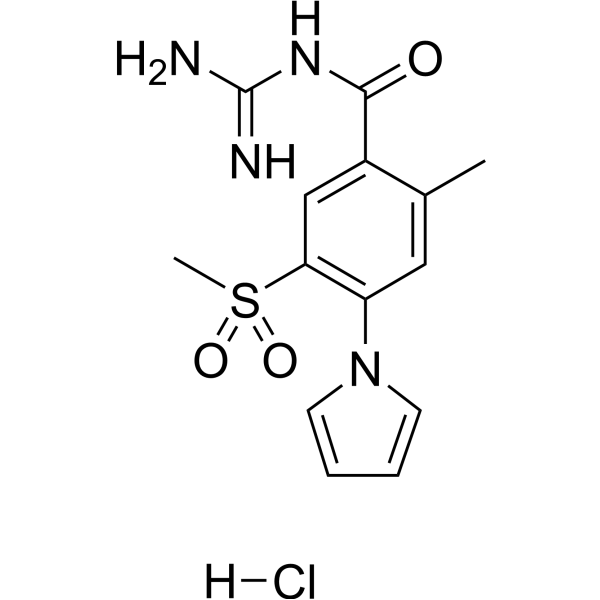 0 ImagesSynonyms: EMD-96785 hydrochlorideEniporide hydrochloride (EMD-96785 hydrochloride) is a potent Na+/H+ exchange inhibitor.
-
Monensin
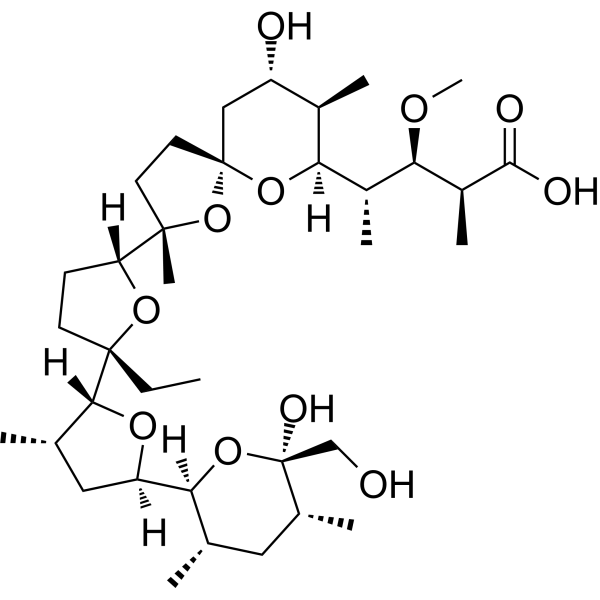 0 ImagesSynonyms: Monensin AMonensin (Monensin A), an orally active antibiotic, is an ionophore that mediates Na+/H+ exchange. Monensin is a potent Wnt signaling inhibitor. Monensin causes a marked enlargement of the multivesicular bodies (MVBs) and regulates exosome secretion. Monensin can be used for bacterial, fungal, and parasitic infections research, and shows anticancer effects.
-
S3226
 0 ImagesS3226 is a highly selective NHE-3 inhibitor (IC50<1 μM) that specifically blocks NHE-3-mediated sodium transport. S3226 significantly inhibits blastocyst formation and expansion in mouse embryos, and reduces fluid and electrolyte reabsorption in rat proximal tubules in a dose-dependent manner. S3226 effectively alleviates ischemia-induced acute renal failure by improving renal function parameters, reducing renal tubular injury and restoring intracellular pH homeostasis, without interfering with the normal tubuloglomerular feedback response. S3226 is widely used in studies of acute renal failure and related pathological mechanisms.
-
NHE3-IN-2
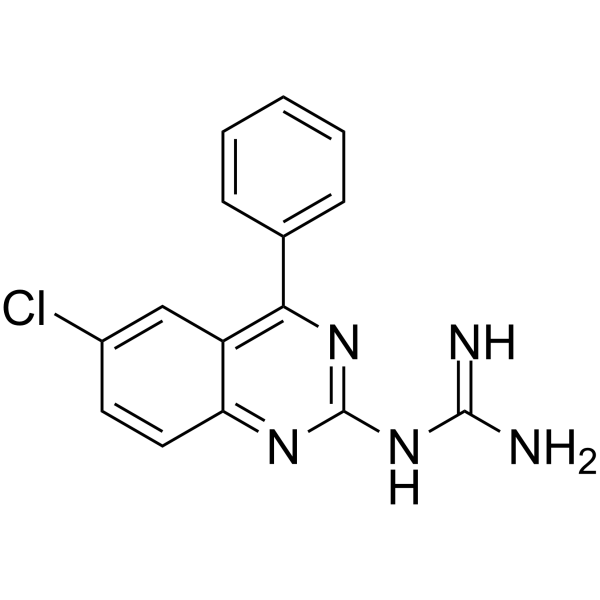 0 ImagesNHE3-IN-2 is a Na+/H+ exchanger-3 (NHE3) inhibitor ( patent WO2001079186A1, example 6-Chlor-4-phenyl-2-chinazolinyl-guanidin).
-
BI-9627 hydrochloride
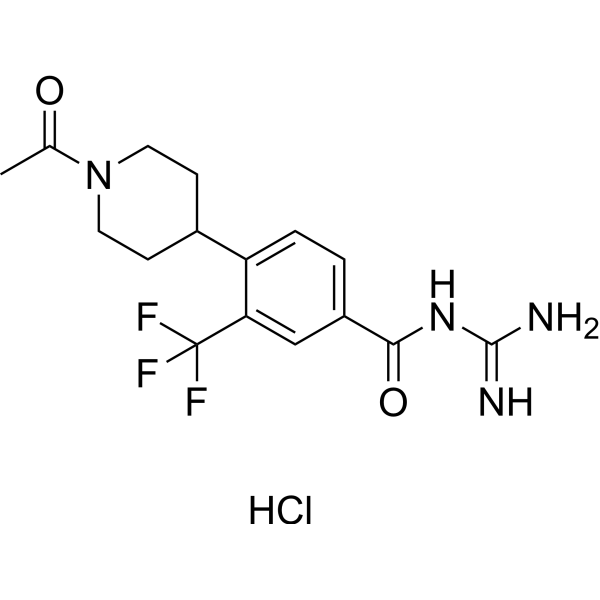 0 ImagesBI-9627 hydrochloride is a potent sodium-hydrogen exchanger isoform 1 (NHE1) inhibitor (IC50 = 6 and 31 nM in intracellular pH recovery (pHi) and human platelet swelling assays). BI-9627 hydrochloride displays >30-fold selectivity against NHE2 and with no measurable inhibitory activity against the NHE3 isoform. BI-9627 hydrochloride decreases autophagy in HTR-8/SVneo cells. BI-9627 hydrochloride can significantly reduce the pHi of human sperm and partially reverse the effect of DMA. BI-9627 hydrochloride prolongs Ca2+ recovery time in KO hiPSC-CMs. BI-9627 hydrochloride shows low DDI (agent-agent interaction) potential, excellent pharmacokinetics in rat and dog, and remarkably potent activity in the isolated heart model of ischemia-reperfusion injury.
-
SGLT2-IN-2
 0 ImagesCat. No.: HY-174400Purity: 99.57%SGLT2-IN-2 (Compound E9) is an inhibitor of SGLT2. SGLT2-IN-2 significantly enhances the inhibition of SGLT2, NHE1, and SOD enzyme activity. SGLT2-IN-2 has protective effect on the glucose-free DMEM-induced injured cardiomyocytes. SGLT2-IN-2 significantly improves cardiac function in TAC-induced HF mice and inhibits cardiomyocyte hypertrophy as well as collagen deposition. SGLT2-IN-2 can ameliorate myocardial tissue damage and enhance mitochondrial autophagy in injured cardiomyocytes, thereby increasing survival rates in HF mice.
-
BMS-284640
 0 ImagesBMS-284640 is a synthetic sodium hydrogen exchange isomer-1 (NHE-1) inhibitor. BMS-284640 has a more than 380-fold higher NHE-1 inhibitory activity (IC50: 9 nM) compared to cariporide (HY-19693) and is more selective for NHE-1 over NHE-2 (IC50: 1.8 μM) and NHE-5 (IC50: 3.36 μM). BMS-284640 and its analogs also exhibit enhanced oral bioavailability and prolonged plasma half-life in rats..
-
RS5517
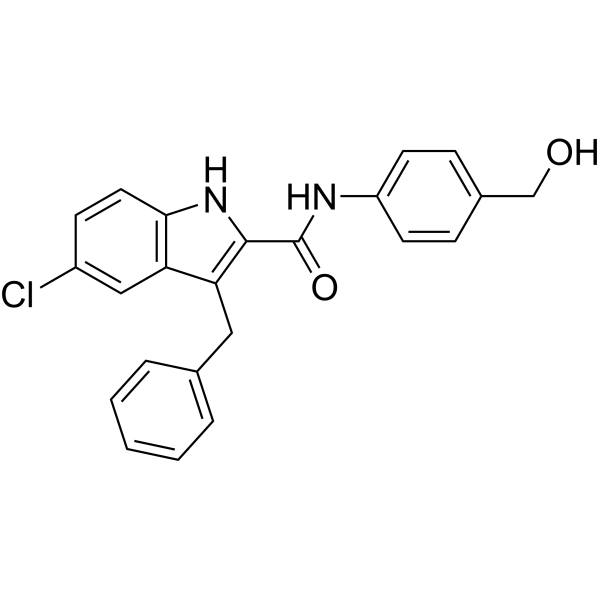 0 ImagesCat. No.: HY-150269CAS No.: 2227017-46-9RS5517 is a specific PDZ1-domain antagonist of NHERF1 that prevented its ectopic nuclear entry. RS5517 can be used for the research of colorectal cancer.



